A VA loan requires no down payment, but closing costs still apply. Closing costs are the fees to set up the loan and transfer the home, separate from the down payment. They typically run 2 to 5 percent of the loan amount. The good news: there are several ways to cover them without writing a large check.
Here is the gap I see all the time. Surveys show many veterans know about the $0-down benefit but do not have savings set aside for closing costs, and some do not realize closing costs exist at all. Let me clear that up, plainly.
Down Payment vs. Closing Costs
These are two different things, and mixing them up causes a lot of stress.
- Down payment: money applied toward the price of the home. On a VA loan, this is $0.
- Closing costs: the fees to process the loan and complete the sale. These apply to every loan, VA included.
So "VA loans need no money down" is true. "VA loans cost nothing to close" is not. Closing costs are real, and planning for them early is the difference between a smooth closing and a scramble.
What VA Closing Costs Include
| Cost | What it is |
|---|---|
| VA funding fee | One-time fee to the VA, often 2.15% for first-time use, can be financed into the loan |
| Appraisal | VA-assigned appraisal of the home's value and condition |
| Title and settlement | Title search, title insurance, and closing agent fees |
| Lender fees | Loan origination and processing charges (the VA limits these) |
| Prepaid items | Upfront homeowners insurance, property taxes, and escrow setup |
| Recording and government fees | County fees to record the new deed and mortgage |
On a $225,000 loan, total closing costs commonly land somewhere in the $5,000 to $11,000 range, with the funding fee often financed into the loan rather than paid in cash.
Five Ways to Cover VA Closing Costs
1. Seller concessions
The seller can pay all or part of your closing costs, typically up to 4 percent of the loan amount for VA loans. This is negotiated in the offer. In the Liberty County market, asking for seller-paid costs is common and often successful.
2. Lender credits
In exchange for a slightly higher interest rate, a lender can credit money toward your closing costs. This trades a small monthly increase for less cash needed at the table. Whether it makes sense depends on how long you will hold the loan.
3. Gift funds
Money from a family member can be used toward closing costs, with proper documentation. The VA allows gift funds, and they are common for first-time buyers.
4. Finance the funding fee
The single largest line item, the VA funding fee, can be rolled into the loan amount. That removes it from your cash-to-close entirely.
5. Down payment assistance
For eligible first-time buyers, Georgia Dream assistance can be applied toward closing costs, even on a VA loan in some cases. See the Georgia Dream guide.
The honest version. Most Fort Stewart VA buyers can get to the closing table with very little cash out of pocket, but only if the plan is built early. Waiting until you are under contract to figure out closing costs is how buyers get surprised. Build the plan first.
Know Your Real Cash-to-Close
A Mortgage-Ready Review gives you a clear, honest estimate of what you will actually need at closing, and a plan to cover it. Free, no pressure.
Start With the Free Guide →Frequently Asked Questions
Do VA loans have closing costs?
Yes. VA loans require no down payment, but closing costs still apply. They typically run 2 to 5 percent of the loan amount and cover the appraisal, title work, lender fees, and prepaid items like insurance and taxes.
Can the seller pay my VA closing costs?
Yes. The seller can pay all or part of a VA buyer's closing costs through seller concessions, typically up to 4 percent of the loan amount. This is negotiated in the purchase contract.
Can VA closing costs be rolled into the loan?
The VA funding fee can be financed into the loan. Most other closing costs cannot be rolled in on a purchase, but they can often be covered by seller concessions, lender credits, or gift funds.
Sources
Verified as of May 2026. Costs and program rules change. Confirm current figures with your lender before making decisions.
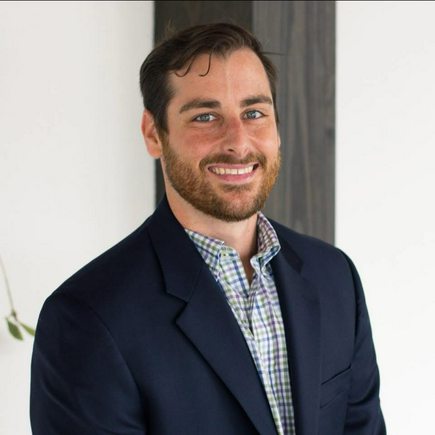
Rob Cable
Loan Officer · Presidential Bank Mortgage · NMLS #2115058
Rob works with VA and first-time buyers across Liberty County every week, with a focus on the Fort Stewart military community.